What students are learning:
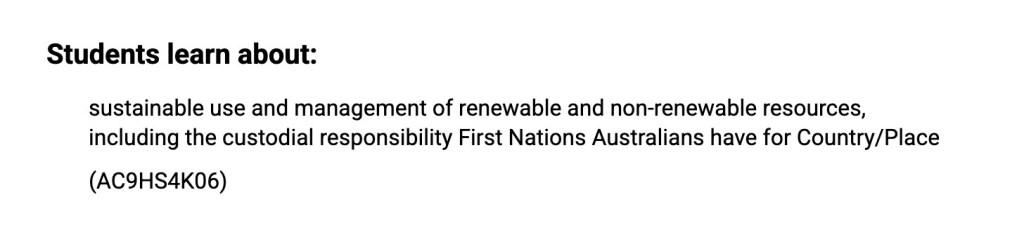
Figure 1: HASS Year 4 Content Descriptor (Australian Curriculum, Assessment and Reporting Authority [ACARA], n.d.).
In term one grade 4 will be learning for sustainability. Specifically, learning will focus on the impacts non-renewable resources have on the environment compared to renewable resources. Students will have the opportunity to learn about sustainability from Aboriginal and Torres Strait Islander Peoples and how Indigenous Peoples care for Country/Place. Learning will conclude with students taking what they have learnt and becoming active citizens, writing letters to the principle expressing ideas on how the school can be more sustainable, through the use of renewable resources and other sustainability practices.
Throughout this unit students will be provided opportunities to develop their ethical and intercultural understanding, two general capabilities featured in the Australian Curriculum (ACARA, n.d.). The unit will also include the cross-curriculum priorities of Aboriginal and Torres Strait Islander histories and cultures and sustainability (ACARA, n.d.).
The importance of students undertaking this learning:
The concept of sustainability refers to preserving enough of the earth’s resources for future generations, while still fulfilling our own needs as a society (Brett, 2019; Taylor et al, 2015; United Nations, n.d.). In terms of environmental sustainability, it is about trying to negate the effects of issues such a climate change.
Studies have shown that many children experience anxiety about climate change (Brett, 2019). One way to alleviate that fear is by empowering children, making them aware that they are not helpless bystanders and can make a positive impact right now. However, in order to do that students need to have the appropriate knowledge and understanding to make informed decisions.
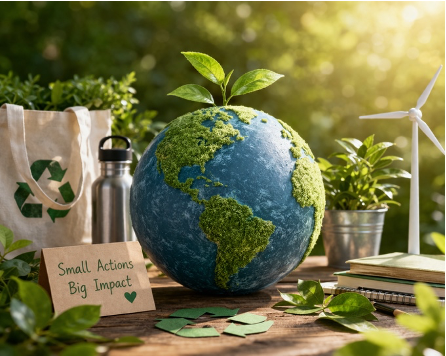
AI Generated
How students will be learning:
You may have noticed that I previously wrote that students will be learning for sustainability, not about sustainability, this was deliberate. In order for one to learn for sustainability, one must teach for sustainability. Teaching for sustainability provides students with opportunities to develop their own values and beliefs surrounding sustainability, igniting a sense of personal and civic responsibility to actively engage in sustainable practices (Brett, 2019; Glasser & Hirsh, 2016).
An excursion to Gordon River Dam and Power Station will be arranged to support students with this learning. Students will also learn about the controversy surrounding the damming of rivers; specifically, the proposed Franklin River Dam. Furthermore, a Palawa Elder will speak to the class about caring for Country and discuss what non-Indigenous people can do to be allies to Palawa People in how they interact with the environment.
The unit of work for term one will conclude with students writing a letter to the principle based on what they have learnt, highlighting their personal beliefs and expressing the importance of using sustainable practices (like renewable energy resources) to help preserve the environment for future generations; making proposals for how this can be achieved in our school community.
How you can support your child’s learning at home:
- Have students identify the sustainable practices that are being used within the home and/or discuss what sustainable practices could be implemented.
- Engage in conversation with your child about what your child has learnt.
 epr360at1mjordan