What students are learning:
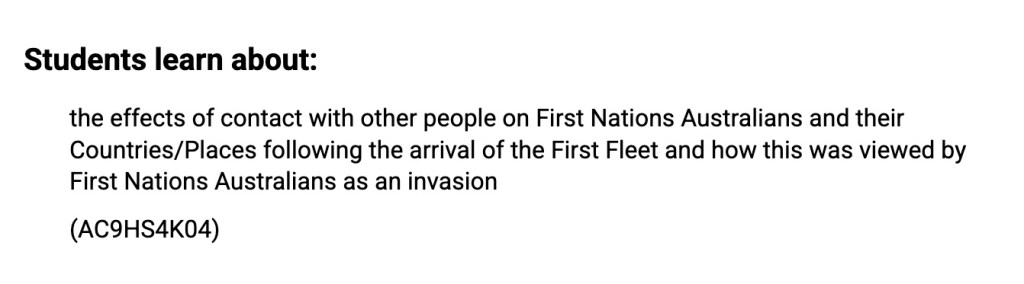
Figure 1: HASS Year 4 Content Descriptor (Australian Curriculum, Assessment and Reporting Authority [ACARA], n.d.)
In term two grade 4 will be learning about the First Fleet and how Aboriginal and Torres Strait Islander Peoples view the First Fleet as an invasion. The unit will look specifically at the continued effects contact with white settlers has on First Nations Australians.
This unit of work connects heavily with the cross-curriculum priority of Aboriginal and Torres Strait Islander histories and cultures (ACARA, n.d). More information on this cross-curriculum priority can be found here. This unit also helps develop the general capability of intercultural and ethical understanding; continuing development started in the previous unit (ACARA, n.d.). Furthermore, students will also build upon the literacy general capability
The importance of students undertaking this learning:
Teaching Aboriginal and Torres Strait Islander histories and cultures is crucial, and in doing so it is important for conversations to be balanced (Hograth, 2019). In order for teaching to be truly balanced students need to learn about the treatment of First Nations Peoples in regard to the First Fleet and the continued effects of colonisation. Allowing for students to have a more well-rounded and empathetic perspective on Australian history.
How students will be learning:
Using picture books in order to teach history is a common teaching method. One way learning will be facilitated is by using the book Sorry Sorry by Anne Kerr and Marda Pitt.
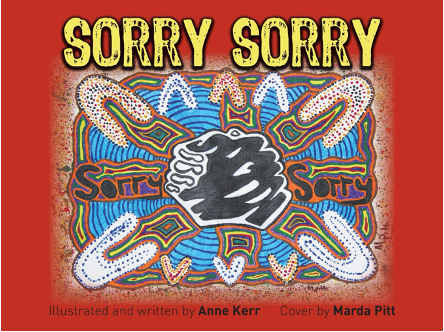
Figure 2: Cover of the book Sorry Sorry (Kerr & Pitt, 2014).
Concepts taught within the HASS curriculum can be daunting for students, especially when discussing concepts such as the colonisation of Australia which spans hundreds of years. Using a picture book such as Sorry Sorry not only helps contextualise issues and broad concepts; but, in this case, moves the conversation away from the abstract idea of colonisation and shifts it into discussing the lived experience of Aboriginal individuals (Forsyth, 2023; Kerby & Baguley, 2020).
Students will engage with critical reflection of the text, not only developing their understanding of the content by also developing their literacy skills (Brett, 2019).
A Palawa Elder will be invited to talk to the class surrounding the topic to supplement work done in class. As I do not Identify Aboriginal or Torres Strait Islander I feel it is important not to talk for First Nations Peoples and allow them to share their own history.
How you can support your child’s learning at home:
- Facilitate conversation about what your child has been learning about.
- Engage with culturally diverse media.
- Buy, or borrow from the library, other books that focus on Aboriginal and Torres Strait Islander histories and cultures.
It is expected that when engaging with your child about content covered in this unit that conversations are handled in a respectful manner.
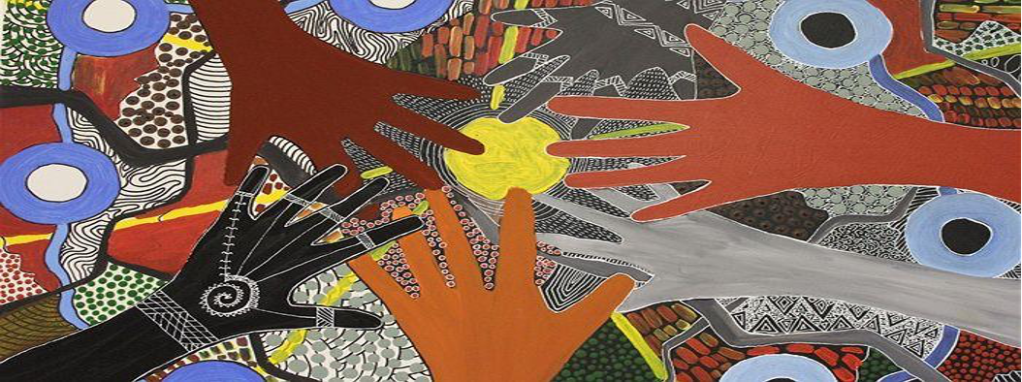
Figure 3: Reconciliation, opportunities for, and wellbeing of First Nations Peoples: Yarning and learning together (AMRRIC, n.d.).
 epr360at1mjordan
Leave a comment